Analysis. Vekuva's measurement of another outlet's report. The reporting is the outlet's; the framing analysis is ours. · Hindustan Times
Vekuva’s reading of Hindustan Times’s report
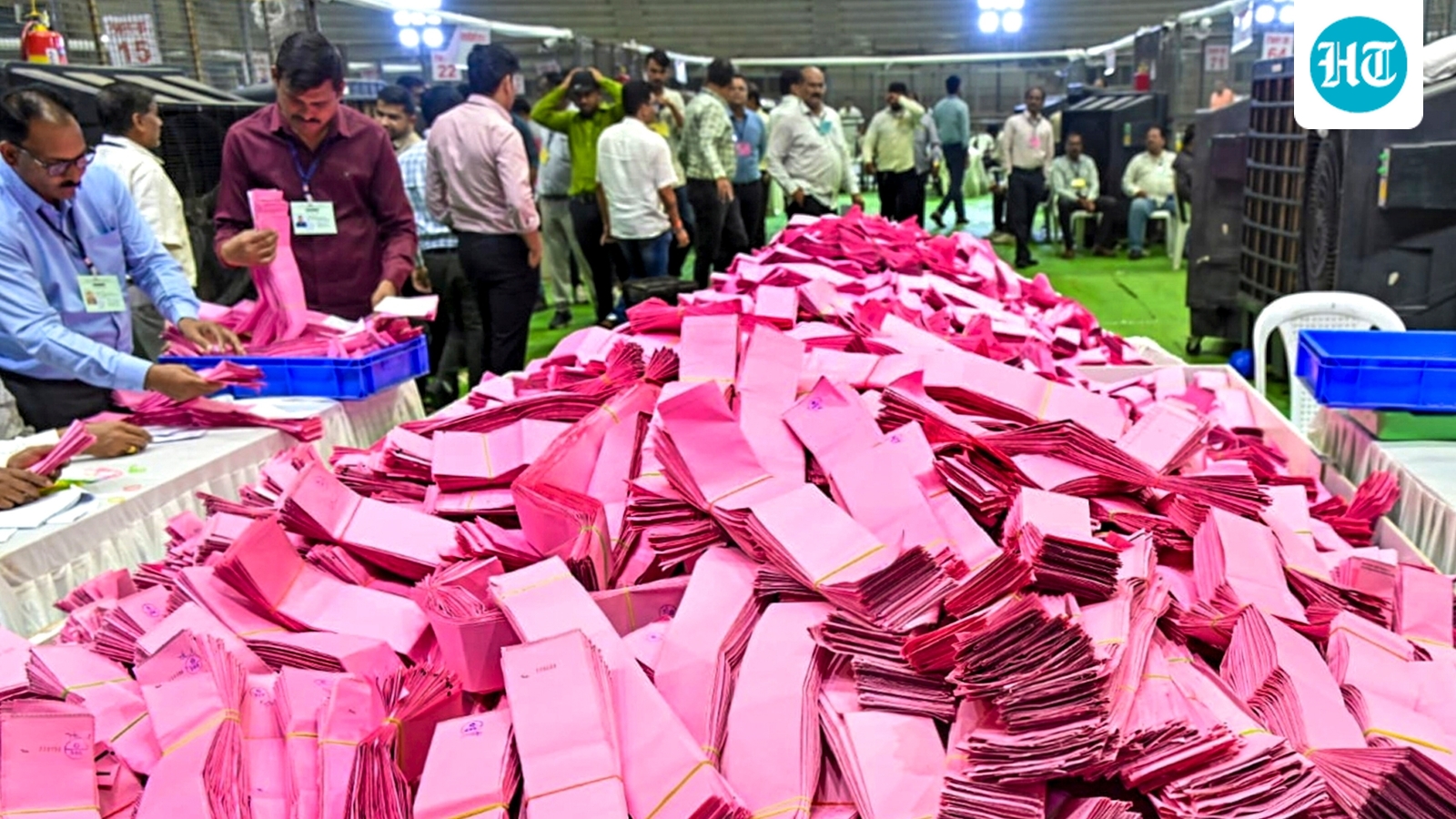
Decoding MLC polls: Who votes, how seats are filled
By Vaibhav Sharma2 min read at Hindustan Times
In brief
The article explains the structure and functioning of Legislative Council (Vidhan Parishad) elections in six Indian states, detailing how members are elected by MLAs, local bodies, graduates, teachers, and nominated by governors.
It notes that the recent election round covered only teachers' and graduates' constituencies and that these polls are not fought on party symbols.
This is an AI-estimated analysis and may not reflect the article's actual intent or the publisher's editorial position.
Read this page in Telugu · Google Translate (opens translate.google.com in a new tab)Machine translation by Google, not checked by Vekuva
At a glance
- Tone: even
- Ownership not yet recorded
- Coverage: only Hindustan Times so farWhat is this?
Legislative council elections in Uttar Pradesh, Karnataka, Bihar and Maharashtra have put the spotlight on the composition and functioning of the Upper Houses in India’s state legislatures.
Also known as Vidhan Parishad, it is the upper house in those states that have a bicameral state legislature. Its establishment is defined in Article 169 of the Constitution of India. Each member has a six-year term.
That is the opening of Hindustan Times’s story. The full report is on their site.
Read the full story at Hindustan Times (opens in a new tab)