Analysis. Vekuva's measurement of another outlet's report. The reporting is the outlet's; the framing analysis is ours. · Hindustan Times
Vekuva’s reading of Hindustan Times’s report
How UGC’s equity rules evolved and why their contentious definitions are back under review
By Sanjay Maurya8 min read at Hindustan Times
In brief
The University Grants Commission's (UGC) 2026 equity regulations, defining caste-based discrimination, were stayed by the Supreme Court in January 2026 due to concerns over vague provisions and potential misuse.
The Union government is now considering setting up a committee to review the framework.
The regulations were the result of a seven-year legal battle and a year-long expert committee process following petitions by the mothers of Rohith Vemula and Payal Tadvi.
This is an AI-estimated analysis and may not reflect the article's actual intent or the publisher's editorial position.
Read this page in Telugu · Google Translate (opens translate.google.com in a new tab)Machine translation by Google, not checked by Vekuva
At a glance
- Tone: even
- Ownership not yet recorded
- Coverage: only Hindustan Times so farWhat is this?
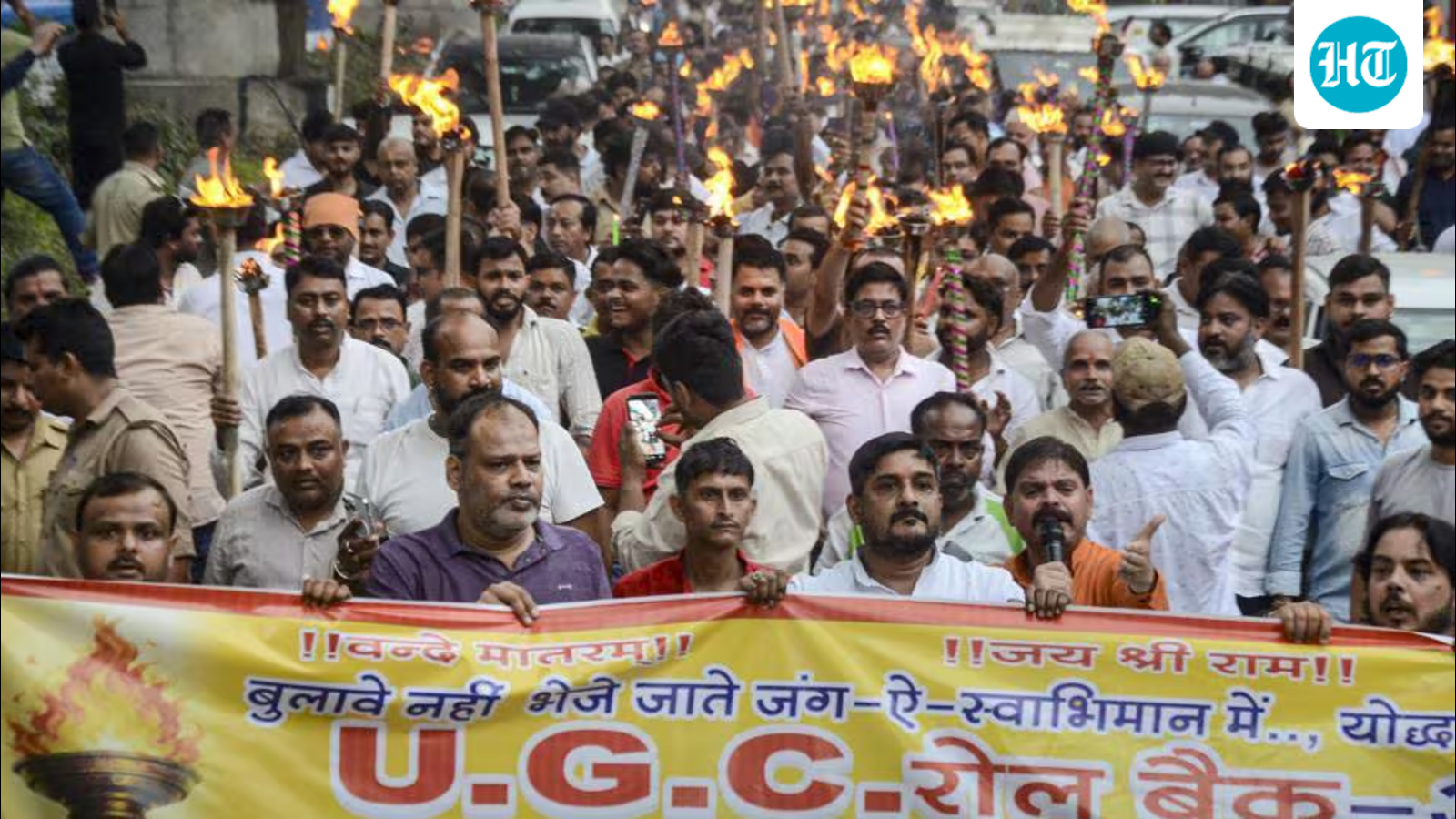
The University Grants Commission’s (UGC) 2026 equity regulations, now at the centre of a legal dispute over their definition of caste-based discrimination, followed a nearly seven-year legal battle and a year-long exercise involving an expert committee, stakeholder consultations and suggestions from petitioners seeking stronger safeguards against discrimination in higher education institutions.
On Thursday, the Union government told the Supreme Court that it was considering setting up a committee to reconsider the framework, and was examining the issue to ensure that “no section feels dissatisfied or apprehensive”. The development comes over nine months after the court stayed the regulations, saying some provisions were “ and ”.
That is the opening of Hindustan Times’s story. The full report is on their site.
Read the full story at Hindustan Times (opens in a new tab)