Analysis. Vekuva's measurement of another outlet's report. The reporting is the outlet's; the framing analysis is ours. · Deccan Herald
Vekuva’s reading of Deccan Herald’s report
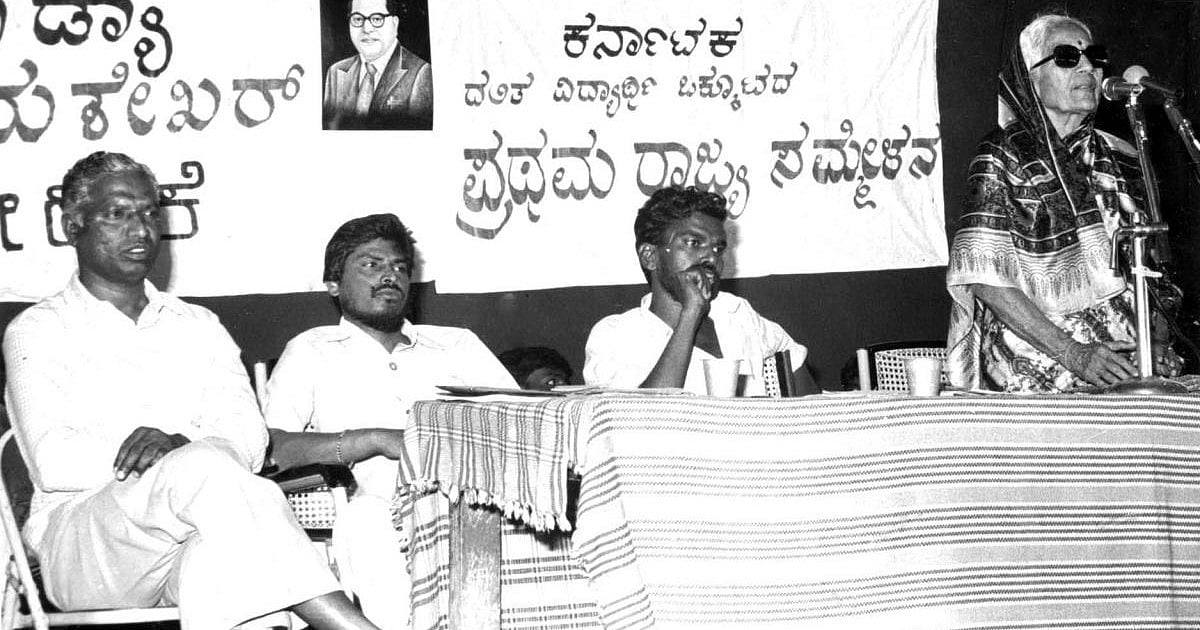
Karunadotsava | The DSS legacy: Caste resistance, cultural protest and the quest for equality
By Valerian Rodrigues5 min read at Deccan Herald
In brief
The article traces the history of the Dalit Sangharsh Samiti (DSS) in Karnataka from the late 1970s to the early 1990s, noting its establishment in 1977 with B Krishnappa as convenor.
This is an AI-estimated analysis and may not reflect the article's actual intent or the publisher's editorial position.
Read this page in Telugu · Google Translate (opens translate.google.com in a new tab)Machine translation by Google, not checked by Vekuva
At a glance
- Tone: even
- Ownership not yet recorded
- Coverage: only Deccan Herald so farWhat is this?
From late 1970s to early 1990s, the Dalit movement in Karnataka came to be regarded by those in power as the only political opposition worth taking seriously. Even the Raitha Sangha, with its social base among rich and middle peasantry who would otherwise keep Dalits at an arm’s length, showed a keen interest in forging an alliance with the Dalit Sangharsh Samiti (DSS) which spearheaded this movement.
The DSS strove to break new ground, although it was caught in certain definitive historical sympathies: There were the social reformist and devotional strands of Lingayatism and the Dasas; initiatives of the Mysore princely state in schooling, redistribution of land, and extending legislative representation and public employment to Dalits; Gandhi’s reformist Hinduism playing itself out in the deeply plural mosaic of sects and sant traditions of the region; and the Bhim Path of Shyam Sundar in Hyderabad-Karnataka region, that stressed on a Dalit-Muslim axis against .
That is the opening of Deccan Herald’s story. The full report is on their site.
Read the full story at Deccan Herald (opens in a new tab)