Analysis. Vekuva's measurement of another outlet's report. The reporting is the outlet's; the framing analysis is ours. · Times of India
Vekuva’s reading of Times of India’s report
Vizag scientist brings back Arctic water samples from Norway to find out what happens to pollutants trapped in melting glaciers, and the answer could matter for India’s coastline and the Bay of Bengal
By Jinnala Umamaheswara Rao5 min read at Times of India
In brief
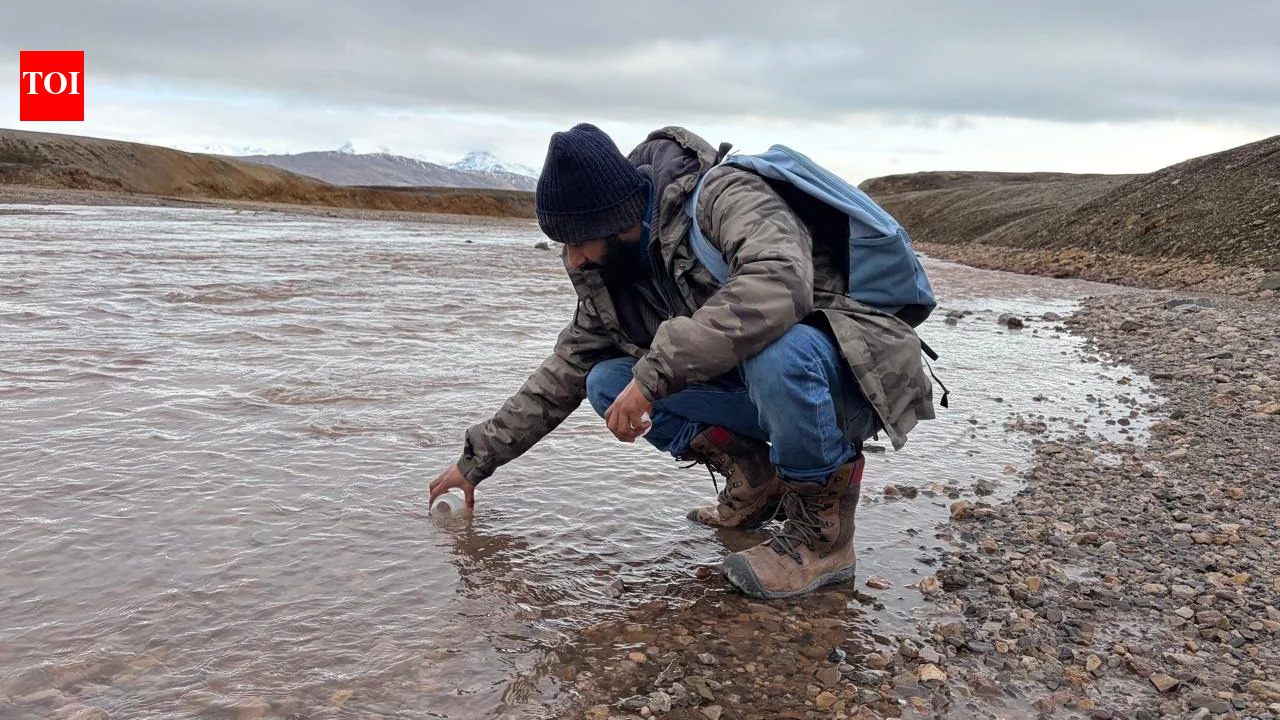
Dr Manoj Rayaroth, a Visakhapatnam-based researcher, collected Arctic water samples during a month-long Indian Arctic expedition to study how pollutants trapped in melting glaciers transform and are released.
According to Rayaroth, the samples will be analyzed in Vizag and could provide insights relevant to India’s coastline and the Bay of Bengal.
The project was selected by the National Centre for Polar and Ocean Research under the Union Ministry of Earth Sciences for the 2026-27 expedition.
This is an AI-estimated analysis and may not reflect the article's actual intent or the publisher's editorial position.
Read this page in Telugu · Google Translate (opens translate.google.com in a new tab)Machine translation by Google, not checked by Vekuva
At a glance
- Tone: even
- Ownership not yet recorded
- Coverage: only Times of India so farWhat is this?
VISAKHAPATNAM: As glaciers melt and the Arctic landscape changes, pollutants locked in snow and ice may not simply disappear. Instead, they could be released into surrounding waters and undergo chemical changes. A month-long Indian Arctic expedition has provided a Visakhapatnam-based researcher with water samples that may help scientists understand what happens to such contaminants in a warming polar environment.
Dr Manoj Rayaroth, assistant professor in the Department of Chemistry at GITAM Deemed to be University, was selected by the National Centre for Polar and Ocean Research (NCPOR), under the Union Ministry of Earth Sciences, for the 2026-27 Indian Arctic Expedition. He travelled to Ny-Ålesund in Norway during August and September as part of the expedition's fourth batch.
That is the opening of Times of India’s story. The full report is on their site.
Read the full story at Times of India (opens in a new tab)